Introduction
When it comes to piping solutions, selecting the right material can significantly impact the efficiency, durability, and overall cost-effectiveness of your project. Traditionally, galvanised pipes have been a popular choice, but in recent years, AIRnet piping has gained recognition as a superior alternative. In this blog, we’ll explore the benefits of using AIRnet over galvanised pipe, with a focus on the numerous advantages that make AIRnet the preferred option for many industries.
Let’s explore the benefits of AIRnet compared to Galvanised Pipe:
1. Superior Corrosion Resistance
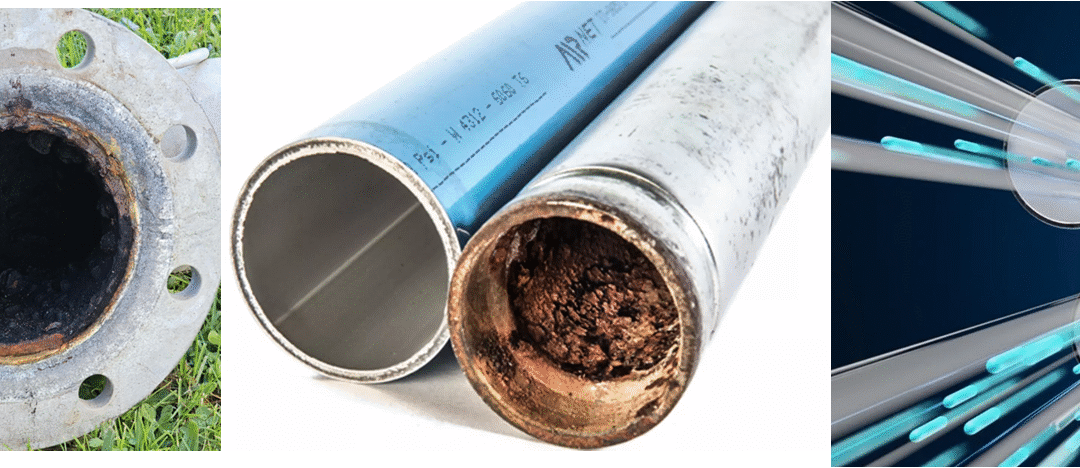
While galvanised pipes are coated with zinc to prevent rust, they are still susceptible to corrosion over time, especially in harsh environments, with exposure to moisture. AIRnet pipes are made from high-quality, durable aluminium that is resistant to corrosion, ensuring a longer lifespan and reduced maintenance costs.
2. Faster and Easier Installation
AIRnet’s modular design a (bit like lego!) allows for quick and straightforward installation. The system features push-to-connect fittings that eliminate the need for welding, threading, or special tools. This significantly reduces installation time and labour costs saving you money compared to galvanised pipes, which often require threading, welding, or additional fittings.
3. Lightweight and Easy to Handle
AIRnet pipes are lightweight, making transportation and handling much easier than heavy galvanised pipes. This not only speeds up installation but also reduces the risk of injury during setup.
4. Flexibility and Customisation
AIRnet offers a high degree of flexibility with a wide range of sizes, fittings, and configurations. This makes it suitable for complex piping layouts and allows for easy modifications or expansions in the future. By contrast galvanised pipes are more rigid and less adaptable, often requiring more labour and therefore costs in additional fittings or replacements for changes.
5. Reduced Maintenance and Longevity
Due to their corrosion-resistant properties, AIRnet pipes require less maintenance over their lifespan. They are less prone to rust and blockages, ensuring consistent performance and reducing downtime for you. Galvanised pipes, on the other hand, may need frequent inspections, cleaning, or replacements due to corrosion issues.
6. Enhanced Hygiene and Cleanliness
In industries such as food processing, pharmaceuticals, or water treatment, hygiene is paramount. AIRnet’s smooth internal surface prevents bacterial buildup, and is easier to clean. By contrast galvanised pipes can develop rust and deposits that compromise cleanliness.
7. Cost Savings Over Time
Although the initial investment in AIRnet can be about the same or just a little higher the combined savings from faster installation, lower maintenance, longer lifespan, and reduced downtime make it a cost-effective choice in the long run.
Conclusion
While galvanised pipes have served industries for decades, AIRnet piping offers a modern, efficient, and durable alternative. Its corrosion resistance, ease of installation, flexibility, and long-term cost savings make AIRnet a smart choice for a wide range of applications.
Ready to upgrade your piping system?
Contact us today to learn more about AIRnet solutions and how they can benefit your project.
Would you like me to tailor this further for a specific industry or audience?